
Dental Implants
Dental implants are one of the most advanced and effective solutions for replacing missing teeth. They provide a permanent, natural-looking alternative to dentures and dental bridges, helping people restore their smile, confidence, and oral function. Missing teeth can occur due to tooth decay, gum disease, injury, or aging. Regardless of the cause, dental implants offer a long-lasting treatment that closely mimics the appearance and function of natural teeth
Book AppointmentAbout this Treatment
Dental Implants: A Complete Guide
Introduction
Dental implants are one of the most advanced and effective solutions for replacing missing teeth. They provide a permanent, natural-looking alternative to dentures and dental bridges, helping people restore their smile, confidence, and oral function. Missing teeth can occur due to tooth decay, gum disease, injury, or aging. Regardless of the cause, dental implants offer a long-lasting treatment that closely mimics the appearance and function of natural teeth.
With continuous advancements in dental technology, implants have become increasingly popular worldwide because of their durability, comfort, and high success rate. This guide explains everything you need to know about dental implants, including their components, procedure, benefits, risks, maintenance, and cost considerations.
What Are Dental Implants?
A dental implant is an artificial tooth root, usually made of titanium or zirconia, that is surgically placed into the jawbone. Once the implant integrates with the bone, it serves as a stable foundation for a replacement tooth, bridge, or denture.
Unlike removable dentures, dental implants are fixed in place and function much like natural teeth. They allow patients to eat, speak, and smile confidently without worrying about the replacement teeth slipping or moving.
Components of a Dental Implant
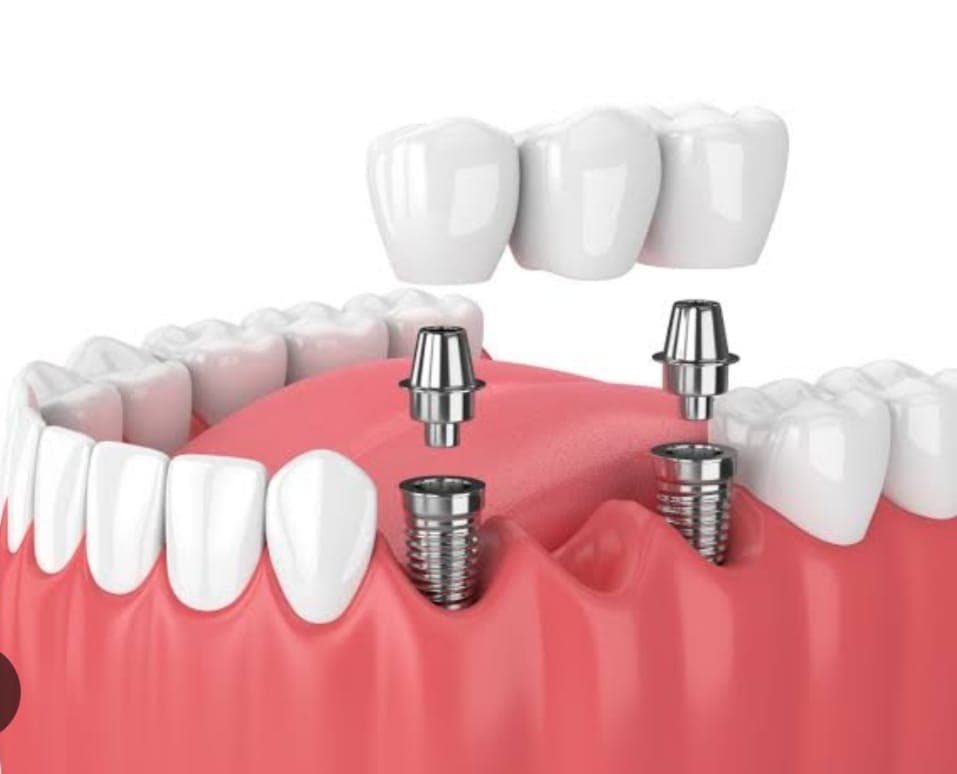
A dental implant system consists of three main parts:
1. Implant Fixture
The implant fixture is a screw-like structure that is inserted into the jawbone. It acts as the artificial root of the missing tooth. Titanium is the most commonly used material because it is strong, lightweight, and biocompatible, meaning it bonds well with human bone.
2. Abutment
The abutment is a connector placed on top of the implant fixture after the healing period. It connects the implant to the dental crown.
3. Dental Crown
The crown is the visible part of the implant that resembles a natural tooth. It is custom-made to match the size, shape, and color of the surrounding teeth, providing a natural appearance.
Who Needs Dental Implants?
Dental implants are suitable for individuals who have lost one or more teeth due to:
- Severe tooth decay
- Gum disease (periodontal disease)
- Dental injuries or accidents
- Congenital absence of teeth
- Failed root canal treatment
- Tooth fractures beyond repair
A person considering dental implants should generally have:
- Healthy gums
- Adequate jawbone density
- Good overall health
- Commitment to maintaining oral hygiene
- No uncontrolled medical conditions that interfere with healing
Types of Dental Implants
Endosteal Implants
These are the most common type of dental implants. They are placed directly into the jawbone and are suitable for most patients with sufficient bone.
Subperiosteal Implants
These implants are placed under the gum but above the jawbone. They are usually recommended for patients who have insufficient bone height and cannot undergo bone grafting.
Zygomatic Implants
These are longer implants anchored into the cheekbone instead of the jawbone. They are used in complex cases where there is severe bone loss in the upper jaw.
The Dental Implant Procedure
The dental implant process usually takes several months because healing between stages is necessary.
Step 1: Consultation and Examination
The dentist performs a comprehensive oral examination, including:
- Medical history review
- Dental examination
- X-rays
- 3D CT scans
- Treatment planning
The dentist determines whether the patient is a suitable candidate for implants.
Step 2: Tooth Extraction
If a damaged tooth is still present, it may need to be extracted before implant placement.
Step 3: Bone Grafting (If Required)
Patients with insufficient jawbone may require bone grafting to build enough bone to support the implant. Healing after bone grafting may take several months.
Step 4: Implant Placement
The implant is surgically inserted into the jawbone under local anesthesia. The gum tissue is then stitched over or around the implant.
Step 5: Osseointegration
Osseointegration is the process in which the jawbone fuses with the implant surface. This healing stage generally takes three to six months and is essential for implant stability.
Step 6: Abutment Placement
Once healing is complete, the dentist attaches the abutment to the implant.
Step 7: Crown Placement
Finally, a custom-made dental crown is attached to the abutment, completing the restoration.
Advantages of Dental Implants
Dental implants offer numerous benefits over traditional tooth replacement methods.
Natural Appearance
Implants closely resemble natural teeth in shape, color, and function.
Improved Chewing Ability
Unlike dentures, implants provide strong biting force, allowing patients to eat most foods comfortably.
Enhanced Speech
Loose dentures may affect speech, whereas implants remain fixed and stable.
Long-Term Durability
With proper care, dental implants can last 20 years or more, and many last a lifetime.
Bone Preservation
When a tooth is lost, the jawbone gradually shrinks due to lack of stimulation. Implants stimulate the bone, preventing bone loss.
Better Oral Health
Unlike dental bridges, implants do not require grinding down adjacent healthy teeth.
Increased Self-Confidence
A complete smile improves self-esteem and social confidence.
Risks and Complications
Although dental implants have a high success rate, complications can occasionally occur.
Infection
Poor oral hygiene may lead to infection around the implant.
Implant Failure
Rarely, the implant may fail to integrate with the bone.
Nerve Damage
Improper implant placement can injure nearby nerves, causing numbness or tingling.
Sinus Problems
Upper jaw implants placed too close to the sinus cavity may cause complications.
Peri-Implantitis
This inflammatory disease affects the tissues around implants and can lead to implant failure if untreated.
Factors Affecting Implant Success
Several factors influence implant success:
- Good oral hygiene
- Healthy gums
- Adequate bone density
- Non-smoking lifestyle
- Controlled diabetes
- Experienced dental surgeon
- Regular dental checkups
The success rate of dental implants generally exceeds 95% when proper procedures and maintenance are followed.
Caring for Dental Implants
Proper maintenance is essential for long-term success.
Patients should:
- Brush twice daily using a soft toothbrush.
- Floss around implants every day.
- Use antibacterial mouthwash if recommended.
- Visit the dentist regularly for professional cleaning.
- Avoid smoking.
- Limit excessive alcohol consumption.
- Avoid chewing extremely hard objects such as ice or pens.
Who May Not Be Suitable Candidates?
Some individuals may require additional evaluation before implant treatment.
These include:
- Heavy smokers
- People with uncontrolled diabetes
- Individuals receiving radiation therapy to the jaw
- Patients with severe osteoporosis
- People with untreated gum disease
- Individuals with poor oral hygiene habits
However, many of these conditions can be managed successfully before implant placement.
Dental Implants Compared with Other Options
Dental Implants vs. Dentures
Dentures are removable and generally less expensive initially. However, they may become loose over time, require adhesives, and need periodic replacement.
Dental implants are fixed, more comfortable, and preserve jawbone health, making them a preferred long-term option despite the higher initial cost.
Dental Implants vs. Dental Bridges
Bridges require support from neighboring teeth, which often need to be reshaped. Implants replace missing teeth independently without affecting adjacent healthy teeth.
Additionally, implants typically last longer than traditional bridges.
Cost of Dental Implants
The cost of dental implants varies depending on several factors:
- Number of implants required
- Type of implant
- Bone grafting procedures
- Diagnostic imaging
- Crown material
- Geographic location
- Dentist's experience
Although implants involve a higher upfront investment than dentures or bridges, their durability often makes them more cost-effective over the long term because they usually require fewer replacements.
Technological Advances in Implant Dentistry
Modern dentistry has significantly improved implant treatment through advanced technologies.
Digital Imaging
Three-dimensional imaging enables precise treatment planning and improves surgical accuracy.
Computer-Guided Surgery
Computer-guided implant placement reduces surgical risks and enhances precision.
Immediate Loading
In selected cases, temporary crowns may be attached immediately after implant placement, reducing treatment time.
Zirconia Implants
Metal-free zirconia implants provide an alternative for patients with specific aesthetic preferences or metal sensitivities.
Recovery After Implant Surgery
Most patients experience mild discomfort after implant surgery, including:
- Swelling
- Minor bleeding
- Bruising
- Mild pain
These symptoms usually improve within a few days.
Patients should:
- Eat soft foods initially.
- Follow medication instructions.
- Avoid smoking during healing.
- Maintain good oral hygiene.
- Attend follow-up appointments.
Full healing and bone integration typically require several months.
Lifespan of Dental Implants
Dental implants are designed for long-term use. The implant fixture itself may last a lifetime if properly maintained.
The crown attached to the implant may eventually need replacement due to normal wear, often after 10–20 years depending on oral habits and materials used.
Psychological and Social Benefits
Missing teeth often affect confidence, communication, and social interactions. Dental implants restore not only physical function but also emotional well-being.
Patients frequently report improvements in:
- Self-confidence
- Social comfort
- Professional appearance
- Overall quality of life
- Ability to smile naturally
Conclusion
Dental implants represent one of the greatest advancements in restorative dentistry. They provide a stable, durable, and natural-looking solution for replacing missing teeth while preserving jawbone health and improving oral function. Although the treatment process requires careful planning, surgery, and healing time, the long-term benefits often outweigh the initial investment.
With proper oral hygiene, regular dental checkups, and healthy lifestyle habits, dental implants can serve patients successfully for many years, often for a lifetime. For individuals seeking a permanent replacement for missing teeth, dental implants remain one of the most reliable and effective treatment options available in modern dentistry.