
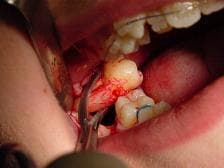
Dental Surgical Extraction
Oral and Maxillofacial Surgery (OMS) is a specialized branch of dentistry and medicine that focuses on the diagnosis, surgical treatment, and management of diseases, injuries, and defects involving the mouth, jaws, face, neck, and associated structures. Oral and maxillofacial surgeons are highly trained professionals who possess expertise in both dentistry and surgery, allowing them to treat a wide range of conditions that affect oral health, facial function, and appearance. This specialty plays a crucial role in restoring oral function, relieving pain, improving aesthetics, and enhancing the overall quality of life for patients.
About this Treatment
Oral and Maxillofacial Surgery
Introduction
Oral and Maxillofacial Surgery (OMS) is a specialized branch of dentistry and medicine that focuses on the diagnosis, surgical treatment, and management of diseases, injuries, and defects involving the mouth, jaws, face, neck, and associated structures. Oral and maxillofacial surgeons are highly trained professionals who possess expertise in both dentistry and surgery, allowing them to treat a wide range of conditions that affect oral health, facial function, and appearance. This specialty plays a crucial role in restoring oral function, relieving pain, improving aesthetics, and enhancing the overall quality of life for patients.
Oral and maxillofacial surgery has evolved significantly over the years due to advancements in medical technology, surgical techniques, anesthesia, and imaging. Today, surgeons use sophisticated diagnostic tools such as three-dimensional (3D) imaging, cone-beam computed tomography (CBCT), computer-assisted surgical planning, and minimally invasive procedures to provide safer and more effective treatment.
History and Development
The origins of oral and maxillofacial surgery date back to ancient civilizations where primitive methods were used to treat facial injuries and dental problems. Ancient Egyptians, Greeks, and Romans practiced basic dental extractions and managed jaw fractures using simple techniques. During the nineteenth and twentieth centuries, major developments occurred in anesthesia, antiseptic techniques, and surgical instruments, leading to rapid growth of the specialty.
The experiences gained during the World Wars greatly contributed to reconstructive facial surgery, as surgeons developed innovative methods to repair severe facial injuries suffered by soldiers. These advances laid the foundation for modern oral and maxillofacial surgery.
Education and Training
Becoming an oral and maxillofacial surgeon requires extensive education and clinical training. The pathway generally includes:
- Completion of a dental degree (DDS or DMD, or equivalent).
- Advanced residency training in oral and maxillofacial surgery, typically lasting four to six years.
- Some residency programs also include earning a medical degree (MD).
- Comprehensive training in anesthesia, emergency medicine, general surgery, plastic surgery, and facial trauma.
- Certification through national or regional professional boards.
This rigorous education equips oral and maxillofacial surgeons with the knowledge and skills needed to perform complex surgical procedures while ensuring patient safety.
Scope of Oral and Maxillofacial Surgery
Oral and maxillofacial surgery covers a broad spectrum of conditions involving the oral cavity, facial skeleton, soft tissues, and associated structures. The specialty includes diagnosis, prevention, surgical intervention, and rehabilitation.
1. Tooth Extractions
One of the most common procedures performed by oral surgeons is the removal of teeth, particularly impacted wisdom teeth. Third molars often fail to erupt properly due to lack of space and may cause pain, infection, swelling, or damage to adjacent teeth. Surgical extraction helps prevent these complications.
Other teeth may also require surgical removal because of severe decay, fractures, periodontal disease, or orthodontic treatment planning.
2. Dental Implant Surgery
Dental implants have become the preferred method for replacing missing teeth. Titanium implants are surgically inserted into the jawbone to serve as artificial tooth roots. After healing and osseointegration, crowns, bridges, or dentures are attached to restore function and aesthetics.
Benefits of dental implants include:
- Improved chewing ability
- Better speech
- Preservation of jawbone
- Natural appearance
- Long-term durability
3. Maxillofacial Trauma
Facial injuries commonly result from road traffic accidents, sports injuries, falls, workplace accidents, and interpersonal violence. Oral and maxillofacial surgeons manage fractures involving:
- Mandible (lower jaw)
- Maxilla (upper jaw)
- Zygomatic bone (cheekbone)
- Nasal bones
- Orbital bones surrounding the eye
Treatment involves accurate reduction and fixation using titanium plates and screws to restore normal anatomy and function.
4. Orthognathic Surgery
Orthognathic surgery corrects jaw deformities caused by developmental abnormalities, congenital conditions, or trauma. Patients with severe malocclusion, facial asymmetry, or jaw discrepancies may experience difficulties with chewing, speech, breathing, and facial appearance.
Common procedures include:
- Maxillary advancement
- Mandibular setback
- Mandibular advancement
- Chin surgery (genioplasty)
These surgeries are often performed in combination with orthodontic treatment.
5. Cleft Lip and Palate Surgery
Cleft lip and palate are among the most common congenital craniofacial anomalies. These conditions affect feeding, speech, hearing, and facial development.
Oral and maxillofacial surgeons work within multidisciplinary teams to perform:
- Primary lip repair
- Palate repair
- Alveolar bone grafting
- Secondary reconstructive surgeries
Long-term follow-up ensures optimal functional and cosmetic outcomes.
6. Management of Oral Pathology
Various cysts, tumors, and lesions can develop within the oral cavity and jawbones. Oral surgeons diagnose these conditions through clinical examination, radiographs, and biopsy.
Common lesions include:
- Odontogenic cysts
- Benign tumors
- Oral cancers
- Salivary gland disorders
Early diagnosis and surgical management improve treatment success and patient survival.
7. Temporomandibular Joint (TMJ) Disorders
The temporomandibular joint connects the lower jaw to the skull and allows jaw movement. Disorders affecting the TMJ may produce:
- Jaw pain
- Clicking sounds
- Limited mouth opening
- Muscle tenderness
- Difficulty chewing
Treatment ranges from conservative therapy to minimally invasive arthroscopy and open joint surgery.
8. Facial Cosmetic Surgery
Many oral and maxillofacial surgeons also perform cosmetic procedures aimed at improving facial aesthetics, including:
- Rhinoplasty
- Chin augmentation
- Facelift surgery
- Blepharoplasty
- Facial implants
- Lip enhancement
These procedures enhance facial harmony while maintaining normal function.
Diagnostic Techniques
Accurate diagnosis forms the foundation of successful treatment. Common diagnostic methods include:
- Clinical examination
- Dental radiographs
- Panoramic radiography
- Cone-beam computed tomography (CBCT)
- Computed tomography (CT)
- Magnetic resonance imaging (MRI)
- Ultrasonography
- Biopsy and histopathological examination
Advanced imaging enables precise surgical planning and minimizes complications.
Anesthesia in Oral and Maxillofacial Surgery
Pain control is an essential component of surgical care. Depending on the complexity of the procedure, surgeons may use:
Local Anesthesia
Local anesthetics numb a specific area while the patient remains awake. This method is commonly used for tooth extractions and minor surgical procedures.
Conscious Sedation
Sedation helps reduce anxiety while maintaining protective reflexes. It may be administered intravenously or through inhalation.
General Anesthesia
Complex surgeries often require general anesthesia, during which the patient remains completely unconscious. Oral and maxillofacial surgeons receive specialized training in anesthesia administration and airway management.
Surgical Instruments and Technology
Modern oral surgery utilizes advanced equipment such as:
- Surgical handpieces
- Piezoelectric bone surgery devices
- Titanium fixation systems
- Laser surgery equipment
- Endoscopes
- Computer-guided implant systems
- 3D printing technology
- Navigation-assisted surgery
These innovations improve surgical precision and reduce recovery time.
Postoperative Care
Successful recovery depends on proper postoperative management. Patients are advised to:
- Follow prescribed medications.
- Apply cold compresses to reduce swelling.
- Maintain good oral hygiene.
- Consume soft foods.
- Avoid smoking and alcohol.
- Attend scheduled follow-up appointments.
- Report excessive bleeding, fever, or severe pain immediately.
Most patients recover within several days to a few weeks, depending on the complexity of surgery.
Possible Complications
Although oral and maxillofacial surgery is generally safe, complications may occasionally occur, including:
- Infection
- Bleeding
- Swelling
- Bruising
- Nerve injury
- Delayed healing
- Dry socket after tooth extraction
- Implant failure
- Sinus complications
- Scar formation
Careful surgical planning and adherence to postoperative instructions greatly reduce these risks.
Importance of Oral and Maxillofacial Surgery
Oral and maxillofacial surgery significantly improves both health and quality of life. The specialty provides:
- Relief from pain and infection.
- Restoration of chewing and speaking functions.
- Treatment of facial injuries.
- Correction of congenital abnormalities.
- Early diagnosis and treatment of oral cancer.
- Replacement of missing teeth with dental implants.
- Improvement of facial appearance and self-confidence.
- Management of complex diseases affecting the mouth and face.
By combining medical knowledge with advanced surgical techniques, oral and maxillofacial surgeons contribute to comprehensive patient care.
Future Developments
The future of oral and maxillofacial surgery is promising due to ongoing advances in technology and biomedical research. Emerging innovations include:
- Artificial intelligence for diagnosis and treatment planning.
- Robotic-assisted surgical procedures.
- Tissue engineering and regenerative medicine.
- Stem cell therapy for bone regeneration.
- Customized patient-specific implants produced by 3D printing.
- Virtual surgical planning and augmented reality.
- Improved biomaterials for reconstruction.
These developments are expected to make surgical procedures safer, more precise, and more effective.
Conclusion
Oral and Maxillofacial Surgery is a highly specialized field dedicated to diagnosing and treating diseases, injuries, deformities, and defects involving the mouth, jaws, face, and neck. It combines the principles of dentistry, medicine, and surgery to restore oral function, improve facial appearance, and enhance patients' overall well-being. From routine tooth extractions and dental implant placement to complex facial trauma reconstruction, orthognathic surgery, and management of oral cancer, oral and maxillofacial surgeons play an essential role in modern healthcare.
Continuous advances in imaging, digital technology, anesthesia, biomaterials, and minimally invasive surgical techniques have transformed the specialty into one of the most innovative areas of clinical practice. As technology continues to evolve, oral and maxillofacial surgery will remain at the forefront of improving patient outcomes through safer, more accurate, and highly personalized treatment approaches.