
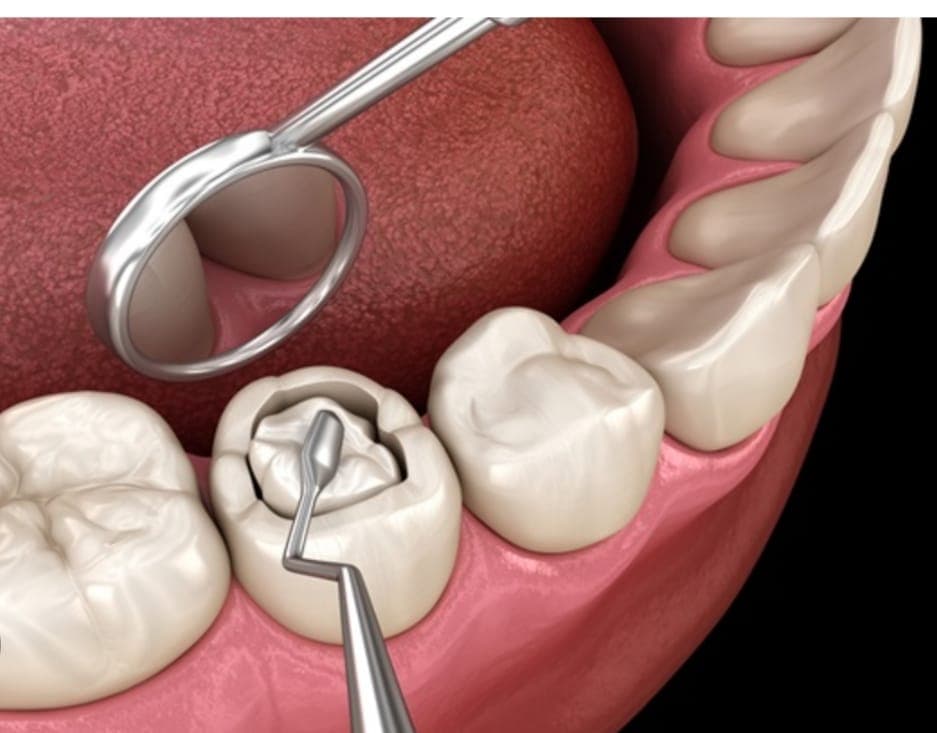
Filling/Restoration
Teeth filling is one of the most common dental procedures performed worldwide. It is a restorative treatment used to repair teeth that have been damaged by decay, cavities, fractures, or wear. Dental fillings help restore the normal function, shape, and appearance of a tooth while preventing further deterioration. Modern dentistry offer various types of filling materials, allowing patients to choose options based on durability, appearance, cost, and personal preference.
About this Treatment
Teeth Filling: Importance, Procedure, Types, Benefits, and Aftercare
Introduction
Teeth filling is one of the most common dental procedures performed worldwide. It is a restorative treatment used to repair teeth that have been damaged by decay, cavities, fractures, or wear. Dental fillings help restore the normal function, shape, and appearance of a tooth while preventing further deterioration. Modern dentistry offers various types of filling materials, allowing patients to choose options based on durability, appearance, cost, and personal preference.
Good oral health is essential for overall well-being. When a tooth develops a cavity or suffers minor damage, a filling can effectively restore its strength and functionality. Without timely treatment, small dental problems can become severe, leading to pain, infection, and even tooth loss. Therefore, understanding teeth fillings, their benefits, and proper care is important for maintaining a healthy smile.
What Is a Teeth Filling?
A teeth filling is a dental restoration material used to fill a cavity or damaged area in a tooth. Cavities are holes that develop in teeth due to tooth decay caused by bacteria. When plaque and food particles remain on the teeth, bacteria produce acids that gradually erode the tooth enamel. If left untreated, the decay progresses deeper into the tooth.
A filling restores the affected area after the dentist removes the decayed portion of the tooth. The filling material seals the cavity and helps prevent bacteria from entering and causing further damage. This treatment not only restores the tooth’s structure but also improves chewing ability and comfort.
Reasons Why Teeth Fillings Are Needed
There are several situations in which a dentist may recommend a filling:
1. Dental Cavities
The most common reason for getting a filling is tooth decay. Cavities can form in any tooth and vary in size. Early treatment prevents the decay from spreading.
2. Cracked or Chipped Teeth
Teeth can crack or chip due to accidents, falls, sports injuries, or biting hard objects. Fillings can repair minor damage and restore appearance.
3. Worn Teeth
Teeth may wear down over time because of grinding, nail-biting, or using teeth as tools. Fillings help rebuild the lost tooth structure.
4. Tooth Sensitivity
Exposed areas caused by enamel loss or gum recession can lead to sensitivity. Fillings can protect these areas and reduce discomfort.
Types of Dental Fillings
Modern dentistry offers several filling materials, each with unique advantages and disadvantages.
1. Amalgam Fillings
Amalgam fillings are made from a mixture of metals, including silver, mercury, tin, and copper. They have been used for more than a century.
Advantages:
- Highly durable
- Cost-effective
- Suitable for back teeth
- Resistant to chewing forces
Disadvantages:
- Silver color is noticeable
- May require removal of more tooth structure
- Some patients prefer mercury-free alternatives
2. Composite Resin Fillings
Composite fillings are tooth-colored materials made from plastic and fine glass particles.
Advantages:
- Natural appearance
- Bonds directly to the tooth
- Suitable for front and visible teeth
- Preserves more natural tooth structure
Disadvantages:
- Less durable than amalgam in some situations
- May wear out faster in large cavities
- Usually more expensive than amalgam
3. Ceramic Fillings
Ceramic fillings are often made of porcelain and provide excellent aesthetics.
Advantages:
- Highly attractive appearance
- Resistant to staining
- Durable and long-lasting
Disadvantages:
- Higher cost
- May require multiple dental visits
4. Gold Fillings
Gold fillings are custom-made restorations fabricated in a dental laboratory.
Advantages:
- Extremely durable
- Long lifespan
- Resistant to corrosion
Disadvantages:
- Expensive
- Noticeable appearance
- Requires multiple appointments
5. Glass Ionomer Fillings
These fillings are made from acrylic and glass materials.
Advantages:
- Release fluoride
- Help protect against future decay
- Useful for children and non-chewing surfaces
Disadvantages:
- Less durable
- More prone to wear and fracture
The Teeth Filling Procedure
Getting a filling is generally a simple and painless procedure. The steps usually include:
Step 1: Examination
The dentist examines the tooth using visual inspection, dental instruments, and X-rays if necessary. This helps determine the extent of decay or damage.
Step 2: Local Anesthesia
If the cavity is deep or sensitive, the dentist administers a local anesthetic to numb the area and ensure comfort.
Step 3: Removal of Decay
Special dental instruments are used to remove the decayed or damaged portion of the tooth. The dentist carefully cleans the area to eliminate bacteria and debris.
Step 4: Preparation of the Tooth
The cavity is shaped and prepared to hold the filling securely. The exact preparation depends on the type of filling material used.
Step 5: Placement of the Filling
The filling material is placed into the prepared cavity. Composite fillings are often applied in layers and hardened with a special curing light.
Step 6: Shaping and Polishing
After placement, the dentist shapes the filling to match the natural contours of the tooth. The filling is then polished to create a smooth finish.
Step 7: Bite Adjustment
The dentist checks the patient's bite and makes any necessary adjustments to ensure comfort and proper function.
Benefits of Teeth Fillings
Dental fillings offer numerous advantages:
Restores Tooth Function
Fillings allow patients to chew and bite normally without discomfort.
Prevents Further Decay
By sealing the cavity, fillings prevent bacteria from entering and causing additional damage.
Preserves Natural Teeth
Early treatment helps save natural teeth and reduces the need for more extensive procedures.
Improves Appearance
Tooth-colored fillings blend with natural teeth and enhance the smile.
Reduces Sensitivity
Fillings can cover exposed areas and reduce sensitivity to hot, cold, or sweet foods.
Cost-Effective Treatment
Compared to crowns, root canals, or extractions, fillings are generally affordable and less invasive.
How Long Do Fillings Last?
The lifespan of a filling depends on several factors:
- Type of filling material
- Oral hygiene habits
- Diet
- Location of the filling
- Teeth grinding habits
Typical lifespans include:
- Amalgam fillings: 10–15 years or more
- Composite fillings: 5–10 years
- Gold fillings: 15–30 years
- Ceramic fillings: 10–20 years
Regular dental checkups help identify wear or damage before problems become serious.
Possible Risks and Complications
Although fillings are generally safe, some complications can occur:
Tooth Sensitivity
Temporary sensitivity to temperature changes may occur after treatment.
Pain When Biting
An improperly adjusted filling may cause discomfort during chewing.
Allergic Reactions
Rarely, patients may be allergic to certain filling materials.
Cracked Fillings
Over time, fillings may crack, wear out, or become loose.
Recurrent Decay
Decay can develop around the edges of an old filling if oral hygiene is poor.
Caring for Teeth Fillings
Proper care can significantly extend the life of a filling.
Brush Regularly
Brush at least twice daily using fluoride toothpaste.
Floss Daily
Flossing removes plaque and food particles between teeth.
Limit Sugary Foods
Reducing sugar intake lowers the risk of new cavities.
Avoid Hard Objects
Do not chew ice, pens, or other hard items that may damage fillings.
Attend Dental Checkups
Regular dental visits allow dentists to monitor fillings and detect problems early.
Wear a Night Guard if Necessary
Patients who grind their teeth during sleep may benefit from a protective night guard.
Signs That a Filling Needs Replacement
Patients should consult a dentist if they notice:
- Tooth pain
- Sensitivity
- Visible cracks
- Rough edges
- Food getting trapped around the filling
- Loose or missing filling
- Discoloration around the filled area
Prompt treatment can prevent further damage and preserve the tooth.
Teeth Fillings in Children
Children frequently require fillings because they are prone to cavities. Treating cavities in baby teeth is important because these teeth help with chewing, speech development, and maintaining space for permanent teeth. Dentists often use composite or glass ionomer fillings for children due to their aesthetic and fluoride-releasing properties.
Parents can help prevent cavities by encouraging regular brushing, flossing, healthy eating habits, and routine dental visits.
Prevention of Cavities
While fillings are effective treatments, prevention is always preferable. Good oral hygiene practices can significantly reduce the risk of cavities.
Preventive measures include:
- Brushing twice daily with fluoride toothpaste
- Flossing every day
- Limiting sugary snacks and beverages
- Drinking plenty of water
- Using fluoride mouthwash when recommended
- Visiting the dentist regularly
- Considering dental sealants for children and high-risk adults
Conclusion
Teeth fillings play a crucial role in modern dentistry by restoring damaged teeth and preventing further decay. They are safe, effective, and available in various materials to suit different needs and preferences. Whether treating a small cavity, repairing a chipped tooth, or addressing tooth wear, fillings help preserve natural teeth and maintain oral health.
With proper oral hygiene, healthy dietary habits, and regular dental checkups, fillings can last for many years and continue to provide reliable protection. Understanding the importance of teeth fillings empowers individuals to seek timely dental care and maintain a healthy, confident smile throughout life.