Gold Crown
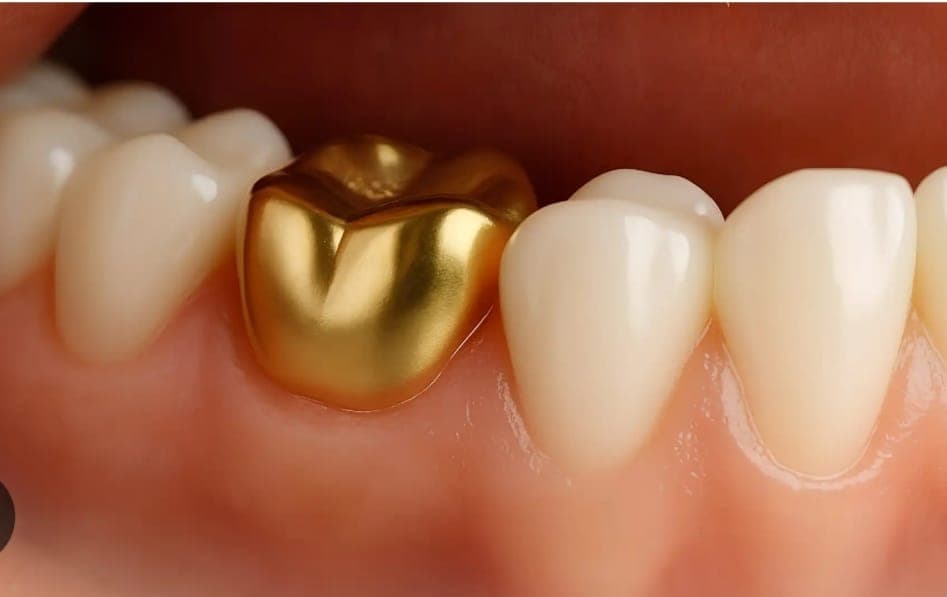
A gold crown is a type of dental restoration that is used to cover and protect a damaged, weakened, or decayed tooth. It is one of the oldest and most reliable dental treatments in the history of dentistry. Gold crowns have been used for centuries because of their exceptional strength, durability, and compatibility with the human body. Although modern dentistry now offers ceramic, porcelain, and zirconia crowns that closely resemble natural teeth, gold crowns remain a preferred option for many patients, especially for restoring molars and back teeth where strength is more important than appearance.
Book AppointmentAbout this Treatment
Gold Crown: History, Uses, Benefits, and Importance in Dentistry
A gold crown is a type of dental restoration that is used to cover and protect a damaged, weakened, or decayed tooth. It is one of the oldest and most reliable dental treatments in the history of dentistry. Gold crowns have been used for centuries because of their exceptional strength, durability, and compatibility with the human body. Although modern dentistry now offers ceramic, porcelain, and zirconia crowns that closely resemble natural teeth, gold crowns remain a preferred option for many patients, especially for restoring molars and back teeth where strength is more important than appearance.
Introduction
A dental crown is a cap that fits over a damaged tooth to restore its shape, size, strength, and function. Among the different types of crowns available, gold crowns are made from gold alloys that often contain gold mixed with other metals such as platinum, palladium, silver, or copper. These alloys improve the strength and durability of the crown while maintaining the beneficial properties of gold.
Gold crowns are widely respected in dentistry because they can withstand the intense pressure of chewing and grinding. They are particularly recommended for patients who have large cavities, fractured teeth, or those who suffer from teeth grinding (bruxism). Despite their metallic appearance, gold crowns continue to be a trusted choice due to their long lifespan and excellent clinical performance.
History of Gold Crowns
The use of gold in dentistry dates back more than 2,000 years. Ancient civilizations such as the Egyptians, Etruscans, and Romans used gold to repair damaged teeth and replace missing ones. Archaeological evidence shows that gold wires and bands were used to stabilize loose teeth and create early forms of dental restorations.
During the nineteenth and twentieth centuries, advancements in dental technology allowed dentists to create precisely fitted gold crowns that were both functional and long-lasting. Gold became the standard material for restoring damaged teeth because it was resistant to corrosion, easy to shape, and highly durable.
Although newer tooth-colored materials have become increasingly popular for cosmetic reasons, gold crowns remain one of the most dependable restorative options available today.
Composition of Gold Crowns
Contrary to popular belief, most dental gold crowns are not made from pure gold. Pure gold is too soft to withstand the forces of chewing. Instead, dentists use gold alloys that combine gold with other metals to increase hardness and durability.
A typical gold crown may contain:
- Gold
- Platinum
- Palladium
- Silver
- Copper
The exact composition varies depending on the manufacturer and the specific clinical requirements. High noble alloys generally contain at least 60% noble metals, with gold making up the majority of the mixture.
Types of Gold Crowns
There are several types of gold crowns based on their composition and manufacturing process.
Full Gold Crown
A full gold crown completely covers the visible part of the tooth and is made primarily from gold alloy. It provides maximum strength and durability.
Gold Alloy Crown
These crowns combine gold with other metals to enhance hardness and resistance to wear. They are commonly used for restoring molars.
Gold-Porcelain Crown
Some crowns combine a gold metal base with a porcelain outer layer. This design offers both strength and improved aesthetics by matching the natural color of teeth.
When Is a Gold Crown Needed?
Dentists recommend gold crowns in various situations, including:
- Large cavities that cannot be repaired with fillings.
- Cracked or fractured teeth.
- Teeth weakened after root canal treatment.
- Severely worn teeth due to grinding.
- Replacement of old failing crowns.
- Protection of weakened teeth from further damage.
- Restoration of dental implants.
Gold crowns are especially suitable for molars because these teeth experience the highest chewing forces.
Procedure for Getting a Gold Crown
The placement of a gold crown usually requires two dental visits.
First Visit
During the first appointment, the dentist examines the tooth using X-rays and performs any necessary treatment, such as removing decay or completing a root canal. The tooth is then reshaped to make room for the crown.
Next, an impression or digital scan of the prepared tooth is taken. This model is sent to a dental laboratory where the custom gold crown is fabricated.
A temporary crown is placed to protect the tooth until the permanent crown is ready.
Second Visit
After the gold crown is manufactured, the dentist removes the temporary crown and checks the fit, bite, and appearance of the permanent crown.
Once the fit is confirmed, the crown is permanently cemented onto the tooth using dental cement.
The entire procedure is generally painless because local anesthesia is used during tooth preparation.
Advantages of Gold Crowns
Gold crowns offer numerous benefits that make them one of the best restorative materials available.
Exceptional Durability
Gold crowns are extremely strong and can last 20 to 40 years or even longer with proper care. Some patients keep the same gold crown for their entire lifetime.
High Strength
Gold easily withstands the heavy chewing forces produced by back teeth. It is much less likely to crack or fracture compared to porcelain.
Excellent Fit
Gold can be cast with remarkable precision, allowing the crown to fit very closely against the natural tooth. This reduces the risk of bacterial leakage and decay beneath the crown.
Minimal Tooth Removal
Gold crowns require less removal of healthy tooth structure than many ceramic crowns because gold is strong even in thin sections.
Biocompatibility
Gold is highly compatible with human tissues. It rarely causes allergic reactions or irritation to the gums.
Resistance to Wear
Unlike some ceramic materials, gold wears slowly and causes minimal damage to the opposing teeth.
Corrosion Resistance
Gold does not rust, corrode, or tarnish inside the mouth, making it an ideal long-term restorative material.
Disadvantages of Gold Crowns
Despite their many advantages, gold crowns also have some limitations.
Appearance
The biggest disadvantage is their metallic yellow color. Many people prefer crowns that match the color of natural teeth, especially for front teeth.
Cost
Gold crowns are often more expensive than other crowns because of the high cost of gold and laboratory fabrication.
Limited Cosmetic Appeal
Patients who prioritize aesthetics generally choose porcelain or zirconia crowns instead of gold.
Metal Sensitivity
Although uncommon, some patients may experience allergic reactions to non-gold metals included in the alloy.
Care and Maintenance
Proper care significantly increases the lifespan of a gold crown.
Patients should:
- Brush twice daily using fluoride toothpaste.
- Floss every day to remove plaque around the crown.
- Visit the dentist regularly for examinations and cleanings.
- Avoid chewing ice or very hard objects.
- Wear a night guard if they grind their teeth.
- Maintain good oral hygiene to prevent decay around the crown margins.
Although the crown itself cannot decay, the natural tooth underneath can still develop cavities if oral hygiene is poor.
Lifespan of Gold Crowns
Gold crowns are among the longest-lasting dental restorations available. Their lifespan depends on oral hygiene, chewing habits, and regular dental care.
Average lifespan:
- 20–30 years under normal conditions.
- More than 40 years in many patients.
- Occasionally a lifetime with excellent care.
Their durability often makes them more cost-effective over time compared to restorations that require frequent replacement.
Gold Crowns Compared with Other Crown Materials
Gold vs. Porcelain Crowns
Porcelain crowns closely resemble natural teeth and are ideal for visible front teeth. However, they are more prone to chipping and fracture than gold crowns.
Gold vs. Zirconia Crowns
Zirconia crowns combine excellent strength with natural appearance. While zirconia is highly durable, gold remains superior in terms of wear compatibility and precision of fit.
Gold vs. Metal-Ceramic Crowns
Metal-ceramic crowns have a metal base covered with porcelain. They offer improved appearance but may experience porcelain chipping over time, whereas full gold crowns rarely fracture.
Cost of Gold Crowns
The price of a gold crown varies depending on several factors:
- Amount of gold used.
- Current market price of gold.
- Dental laboratory fees.
- Dentist's experience.
- Geographic location.
- Additional procedures such as root canal treatment.
Although gold crowns generally cost more initially, their exceptional longevity often makes them an economical long-term investment.
Who Should Choose a Gold Crown?
Gold crowns are ideal for:
- Patients needing restoration of back teeth.
- Individuals with heavy biting forces.
- Patients who grind their teeth.
- People seeking the longest-lasting restoration.
- Individuals with allergies to ceramic materials.
- Patients who prioritize function over appearance.
However, they may not be suitable for highly visible front teeth where aesthetics are important.
Modern Trends
Advances in cosmetic dentistry have increased the popularity of tooth-colored materials such as zirconia and porcelain. Nevertheless, many dentists still consider gold crowns the "gold standard" for restoring posterior teeth because of their unmatched durability and clinical success.
Digital scanning, computer-aided design (CAD), and modern casting techniques have further improved the precision and fit of gold crowns, making them even more reliable than in previous decades.
Conclusion
Gold crowns have earned their reputation as one of the most dependable and durable dental restorations ever developed. Their remarkable strength, precise fit, resistance to corrosion, and outstanding longevity make them an excellent choice for restoring damaged molars and other teeth subjected to heavy chewing forces. While their metallic appearance may not appeal to everyone, especially for front teeth, their functional advantages continue to outweigh cosmetic concerns for many patients.
With proper oral hygiene and regular dental checkups, a gold crown can provide decades of reliable service, protecting the underlying tooth while restoring normal chewing function. Although modern materials such as porcelain and zirconia have become popular because of their natural appearance, gold crowns remain an important option in restorative dentistry and continue to be recommended by many dental professionals for their exceptional performance. For patients seeking a restoration that combines strength, longevity, and biocompatibility, a gold crown remains one of the best choices available.