Gum Treatment
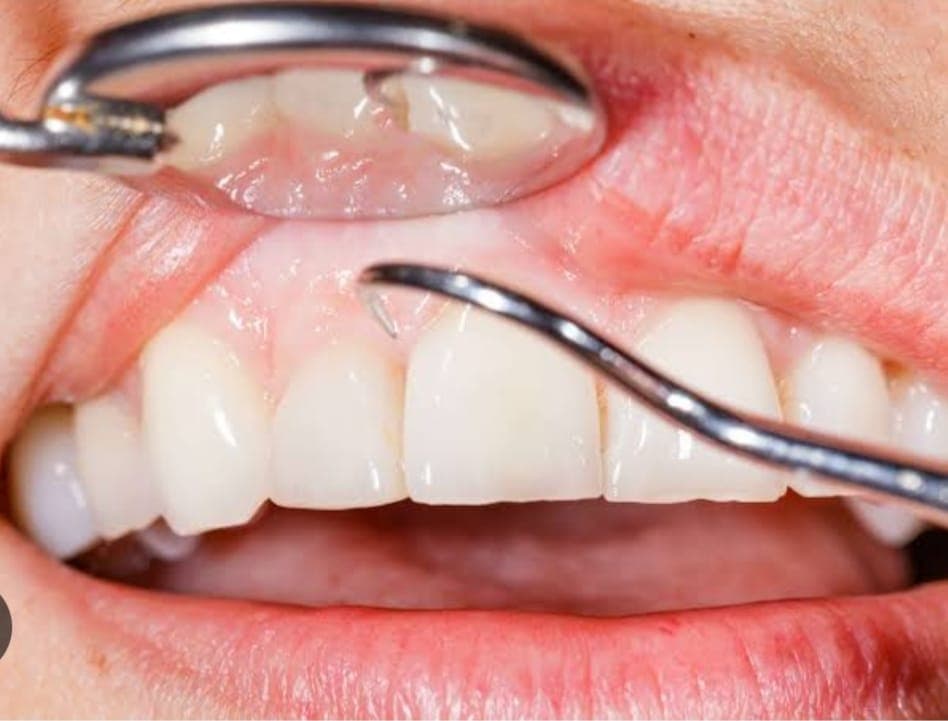
Gum health is an essential part of overall oral health. Healthy gums provide support to teeth, protect the roots, and help maintain a strong and attractive smile. However, many people focus primarily on their teeth and often overlook the condition of their gums. Gum diseases are among the most common oral health problems worldwide and can lead to serious complications if left untreated.
About this Treatment
Gum Treatment: Importance, Types, Procedures, and Prevention
Introduction
Gum health is an essential part of overall oral health. Healthy gums provide support to teeth, protect the roots, and help maintain a strong and attractive smile. However, many people focus primarily on their teeth and often overlook the condition of their gums. Gum diseases are among the most common oral health problems worldwide and can lead to serious complications if left untreated.
Gum treatment refers to the various dental procedures and therapies used to prevent, manage, and cure diseases affecting the gums and supporting structures of the teeth. These treatments range from simple professional cleanings to advanced surgical procedures, depending on the severity of the condition.
This article explores the causes of gum disease, signs and symptoms, available treatment options, benefits of treatment, and preventive measures to maintain healthy gums.
Understanding Gum Disease
Gum disease, also known as periodontal disease, is an infection of the tissues surrounding and supporting the teeth. It develops when plaque, a sticky film of bacteria, accumulates on teeth and gums. If plaque is not removed through regular brushing and flossing, it hardens into tartar, which can only be removed by a dental professional.
There are two main stages of gum disease:
1. Gingivitis
Gingivitis is the earliest and mildest form of gum disease. It causes inflammation of the gums, making them red, swollen, and prone to bleeding during brushing or flossing. At this stage, the condition is reversible with proper oral hygiene and professional treatment.
2. Periodontitis
If gingivitis is left untreated, it can progress to periodontitis. In this advanced stage, the infection spreads deeper into the gum tissues and bone supporting the teeth. Gum pockets form around the teeth, allowing bacteria to accumulate. Over time, this can lead to bone loss, loose teeth, and even tooth loss.
Causes of Gum Disease
Several factors contribute to the development of gum disease, including:
- Poor oral hygiene
- Plaque and tartar buildup
- Smoking and tobacco use
- Hormonal changes during pregnancy or menopause
- Diabetes
- Certain medications
- Genetic predisposition
- Stress
- Nutritional deficiencies
- Weakened immune system
Understanding these risk factors can help individuals take preventive measures and seek timely treatment.
Symptoms of Gum Disease
Early detection is important for successful treatment. Common signs and symptoms include:
- Red or swollen gums
- Bleeding while brushing or flossing
- Persistent bad breath
- Gum recession
- Tender gums
- Loose teeth
- Pain while chewing
- Formation of deep pockets between teeth and gums
- Pus around the gums
- Changes in bite alignment
Anyone experiencing these symptoms should consult a dentist promptly.
Importance of Gum Treatment
Gum treatment is essential because untreated gum disease can affect both oral and general health. Research has shown links between periodontal disease and various systemic conditions, including heart disease, diabetes, respiratory infections, and complications during pregnancy.
Benefits of gum treatment include:
- Prevention of tooth loss
- Reduction of gum inflammation
- Elimination of infection
- Improved oral hygiene
- Better breath freshness
- Enhanced appearance of the smile
- Protection of supporting bone structures
- Improved overall health and well-being
Types of Gum Treatments
The choice of treatment depends on the severity of the gum disease. Common gum treatments include the following:
1. Professional Dental Cleaning
Professional cleaning is often the first step in treating mild gum disease. During the procedure, a dental hygienist removes plaque and tartar from the surfaces of the teeth and below the gumline.
This treatment helps prevent gingivitis and maintains healthy gums.
2. Scaling and Root Planing
Scaling and root planing is a deep cleaning procedure used to treat moderate gum disease.
Scaling
Scaling removes plaque, bacteria, and tartar deposits from above and below the gumline.
Root Planing
Root planing smooths the tooth roots, making it more difficult for bacteria to attach and helping the gums reattach to the teeth.
This non-surgical treatment is highly effective in controlling periodontal disease.
3. Antibiotic Therapy
Dentists may prescribe antibiotics to control bacterial infections. Antibiotics can be administered in various forms:
- Oral tablets
- Antibacterial mouth rinses
- Antibiotic gels
- Medicated chips inserted into gum pockets
These medications help reduce bacterial growth and enhance the effectiveness of other treatments.
4. Laser Gum Treatment
Laser technology has become increasingly popular in periodontal care. Dental lasers can remove infected tissue and bacteria with minimal discomfort.
Advantages of laser gum treatment include:
- Reduced bleeding
- Less pain
- Faster healing
- Minimal swelling
- Greater precision
Many patients prefer laser treatment because it is less invasive than traditional surgery.
5. Flap Surgery
Flap surgery, also known as pocket reduction surgery, is recommended for advanced periodontitis.
During the procedure:
- The gums are lifted back.
- Tartar and bacteria are removed.
- Damaged tissue is treated.
- The gums are repositioned and sutured.
This procedure reduces pocket depth and makes oral hygiene easier.
6. Bone Grafting
When periodontal disease causes bone loss, bone grafting may be necessary.
The dentist places natural or synthetic bone material into areas where bone has been destroyed. This stimulates new bone growth and helps stabilize the teeth.
7. Soft Tissue Grafting
Gum recession exposes tooth roots and can cause sensitivity and aesthetic concerns.
Soft tissue grafting involves taking tissue from another area of the mouth or using donor tissue to cover exposed roots and restore gum health.
8. Guided Tissue Regeneration
This advanced surgical procedure encourages the growth of new bone and gum tissue.
A special membrane is placed between the bone and gum tissue to prevent unwanted tissue growth and allow proper regeneration.
What to Expect During Gum Treatment
The treatment process usually begins with a comprehensive dental examination.
The dentist may:
- Review medical history
- Examine gums and teeth
- Measure pocket depths
- Take dental X-rays
- Assess bone loss
Based on the findings, a customized treatment plan is developed.
During treatment, local anesthesia may be used to ensure comfort. Recovery time varies depending on the procedure performed.
Recovery After Gum Treatment
Proper aftercare is crucial for successful healing.
Patients are often advised to:
- Follow prescribed medications
- Maintain excellent oral hygiene
- Avoid smoking
- Eat soft foods temporarily
- Use recommended mouth rinses
- Attend follow-up appointments
Mild discomfort, swelling, and sensitivity may occur after treatment but usually resolve within a few days.
Preventing Gum Disease
Prevention is always better than treatment. Good oral hygiene practices significantly reduce the risk of gum disease.
Daily Oral Care
Brush teeth at least twice daily using fluoride toothpaste. Proper brushing removes plaque and bacteria from the tooth surfaces.
Floss Regularly
Flossing cleans areas between teeth that a toothbrush cannot reach.
Use Antimicrobial Mouthwash
Mouthwash helps reduce bacteria and freshens breath.
Visit the Dentist Regularly
Routine dental checkups and cleanings allow early detection and treatment of gum problems.
Maintain a Healthy Diet
A balanced diet rich in vitamins and minerals supports gum health and strengthens the immune system.
Avoid Tobacco Products
Smoking is one of the most significant risk factors for gum disease and can impair healing after treatment.
Manage Medical Conditions
Controlling conditions such as diabetes can reduce the risk of periodontal complications.
Modern Advances in Gum Treatment
Recent advances in dental technology have improved the effectiveness of gum treatment.
Some innovations include:
- Laser-assisted periodontal therapy
- Digital periodontal diagnostics
- Regenerative biomaterials
- Growth factor therapy
- Minimally invasive surgical techniques
- 3D imaging for treatment planning
These developments have made treatment more comfortable and successful for patients.
Conclusion
Gum treatment plays a vital role in preserving oral health and preventing tooth loss. Gum disease often begins silently, but early intervention can stop its progression and restore healthy tissues. From professional cleanings and deep scaling procedures to advanced surgical techniques, modern dentistry offers a wide range of effective treatment options.
Maintaining good oral hygiene, visiting the dentist regularly, and addressing symptoms promptly are essential steps in preventing gum disease. Healthy gums not only support strong teeth but also contribute to overall health and quality of life. By understanding the importance of gum treatment and taking preventive measures, individuals can enjoy a healthier smile for years to come.