Orthodontic Treatment
Orthodontic treatment is a specialized branch of dentistry that focuses on diagnosing, preventing, and correcting misaligned teeth and jaw irregularities. A healthy, well-aligned smile not only enhances appearance but also contributes significantly to oral health and overall well-being. Orthodontic treatments have evolved dramatically over the years, offering patients more comfortable, efficient, and aesthetically pleasing options than ever before.
About this Treatment
Orthodontic Treatment: A Complete Guide to Achieving a Healthy and Beautiful Smile
Introduction
Orthodontic treatment is a specialized branch of dentistry that focuses on diagnosing, preventing, and correcting misaligned teeth and jaw irregularities. A healthy, well-aligned smile not only enhances appearance but also contributes significantly to oral health and overall well-being. Orthodontic treatments have evolved dramatically over the years, offering patients more comfortable, efficient, and aesthetically pleasing options than ever before.
Many people associate orthodontics with braces for children and teenagers, but orthodontic treatment is suitable for individuals of all ages. Whether correcting crowded teeth, closing gaps, improving bite function, or enhancing facial aesthetics, orthodontic care plays a vital role in creating healthy smiles that last a lifetime.
What Is Orthodontic Treatment?
Orthodontic treatment involves the use of specialized dental appliances to move teeth into their correct positions and align the jaws properly. Orthodontists are dental specialists who receive additional training beyond general dentistry to diagnose and treat complex alignment and bite issues.
The primary goal of orthodontic treatment is to improve both the function and appearance of the teeth and jaws. Properly aligned teeth are easier to clean, less prone to decay and gum disease, and contribute to efficient chewing and speaking.
Common Orthodontic Problems
Orthodontic treatment addresses a variety of dental and jaw alignment issues, including:
1. Crowded Teeth
Crowding occurs when there is insufficient space in the jaw for all teeth to fit properly. Teeth may overlap, twist, or become displaced, making oral hygiene difficult and increasing the risk of dental problems.
2. Spacing Issues
Gaps between teeth may develop due to missing teeth, abnormal jaw growth, or naturally occurring spacing. Excessive spacing can affect both appearance and function.
3. Overbite
An overbite occurs when the upper front teeth excessively overlap the lower front teeth. Severe overbites can lead to jaw discomfort, tooth wear, and speech difficulties.
4. Underbite
An underbite develops when the lower teeth protrude beyond the upper teeth. This condition can affect chewing, speaking, and facial appearance.
5. Crossbite
A crossbite occurs when some upper teeth fit inside the lower teeth rather than outside them. This misalignment can cause uneven tooth wear and jaw issues.
6. Open Bite
An open bite exists when the upper and lower teeth do not meet properly when the mouth is closed. This condition may interfere with chewing and speech.
Importance of Orthodontic Treatment
Orthodontic treatment offers numerous benefits beyond cosmetic improvement.
Improved Oral Health
Straight teeth are easier to clean and maintain. Proper alignment reduces areas where plaque and food particles can accumulate, lowering the risk of cavities and gum disease.
Better Chewing Function
Correctly aligned teeth improve the efficiency of biting and chewing food, supporting proper digestion and nutrition.
Enhanced Speech
Some orthodontic issues can affect speech clarity. Correcting tooth and jaw alignment often improves pronunciation and communication.
Reduced Tooth Wear
Misaligned teeth may experience uneven pressure during chewing, leading to excessive wear. Orthodontic treatment distributes biting forces more evenly.
Increased Confidence
A straight and attractive smile can significantly boost self-esteem and social confidence, positively impacting personal and professional interactions.
Types of Orthodontic Treatment
Modern orthodontics offers several treatment options tailored to individual needs.
Traditional Metal Braces
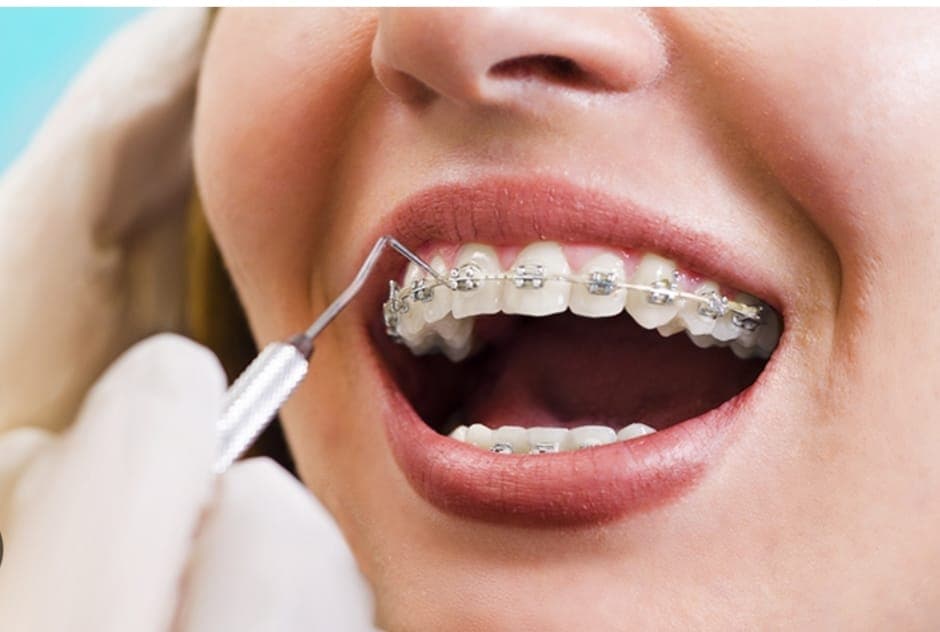
Metal braces remain one of the most effective orthodontic treatments. They consist of metal brackets attached to the teeth and connected by wires.
Advantages:
- Highly effective for complex cases
- Durable and reliable
- Suitable for patients of all ages
Disadvantages:
- More visible than other options
- May cause temporary discomfort
Ceramic Braces
Ceramic braces function similarly to metal braces but use tooth-colored or clear brackets for a more discreet appearance.
Advantages:
- Less noticeable
- Effective for many orthodontic problems
Disadvantages:
- More fragile than metal braces
- May stain if not properly maintained
Lingual Braces
Lingual braces are attached to the back surfaces of the teeth, making them virtually invisible from the front.
Advantages:
- Hidden from view
- Effective for various alignment issues
Disadvantages:
- More expensive
- May initially affect speech
Clear Aligners
Clear aligners use a series of transparent, removable trays to gradually move teeth into position.
Advantages:
- Nearly invisible
- Removable for eating and cleaning
- Comfortable compared to traditional braces
Disadvantages:
- Requires patient discipline
- May not be suitable for severe cases
The Orthodontic Treatment Process
Orthodontic treatment typically follows several stages.
Initial Consultation
The orthodontist performs a comprehensive examination, including:
- Dental history review
- Clinical examination
- X-rays
- Photographs
- Digital scans or impressions
This information helps determine the best treatment plan.
Treatment Planning
After diagnosis, the orthodontist develops a customized treatment plan outlining:
- Treatment goals
- Recommended appliances
- Expected duration
- Estimated costs
Active Treatment Phase
During this stage, braces or aligners are used to gradually move teeth into proper alignment. Regular appointments are scheduled to monitor progress and make necessary adjustments.
Retention Phase
Once teeth reach their desired positions, retainers are provided to maintain results and prevent relapse.
Orthodontic Treatment for Children
Early orthodontic evaluation is recommended around the age of seven. At this stage, orthodontists can identify developing problems and determine whether early intervention is necessary.
Benefits of early treatment may include:
- Guiding jaw growth
- Creating space for permanent teeth
- Reducing the risk of trauma to protruding teeth
- Minimizing the need for future extractions
Not all children require immediate treatment, but early assessment allows proper monitoring.
Orthodontic Treatment for Teenagers
Teenage years are often considered an ideal time for orthodontic treatment because:
- Most permanent teeth have erupted
- Jaw growth is still occurring
- Teeth generally move more easily
Many teenagers choose braces or clear aligners to improve their smiles and oral health.
Orthodontic Treatment for Adults
Adult orthodontics has become increasingly popular. Advances in technology have made treatment more discreet and comfortable.
Adults seek orthodontic treatment for various reasons:
- Correcting long-standing alignment issues
- Improving oral health
- Enhancing appearance
- Preparing for restorative dental procedures
Healthy teeth and gums are generally the primary requirements for successful adult orthodontic treatment.
Duration of Orthodontic Treatment
Treatment length varies depending on several factors, including:
- Severity of the problem
- Type of treatment
- Patient age
- Compliance with instructions
Average treatment times range from 12 to 36 months. Minor corrections may require less time, while complex cases may take longer.
Maintaining Oral Hygiene During Treatment
Proper oral hygiene is essential throughout orthodontic treatment.
Patients should:
- Brush after every meal
- Floss daily
- Use fluoride toothpaste
- Attend regular dental checkups
- Avoid foods that may damage braces
Good oral hygiene helps prevent cavities, gum disease, and staining during treatment.
Potential Risks and Challenges
Although orthodontic treatment is generally safe, some challenges may occur.
Temporary Discomfort
Mild soreness is common after adjustments or when switching aligners.
Oral Hygiene Difficulties
Braces can make cleaning more challenging, increasing the importance of proper oral care.
Root Resorption
In rare cases, slight shortening of tooth roots may occur during tooth movement.
Relapse
Without proper retainer use, teeth may gradually shift back toward their original positions.
Technological Advances in Orthodontics
Modern orthodontics benefits from significant technological innovations.
Digital Scanning
Digital impressions eliminate the need for traditional molds and provide highly accurate treatment planning.
3D Imaging
Advanced imaging allows orthodontists to visualize teeth, roots, and jaw structures in detail.
Artificial Intelligence
AI-assisted treatment planning improves precision and helps predict treatment outcomes.
Customized Appliances
Computer-designed braces and aligners offer personalized treatment solutions for enhanced efficiency and comfort.
Cost of Orthodontic Treatment
Orthodontic treatment costs vary based on:
- Treatment complexity
- Type of appliance
- Geographic location
- Orthodontist experience
Many dental clinics offer flexible payment plans to make treatment more accessible.
Although orthodontic treatment represents a financial investment, the long-term benefits to oral health and confidence often make it worthwhile.
Conclusion
Orthodontic treatment is an essential dental specialty that improves both oral health and appearance. By correcting misaligned teeth and jaw irregularities, orthodontic care enhances chewing function, speech, oral hygiene, and self-confidence. Modern treatment options such as traditional braces, ceramic braces, lingual braces, and clear aligners provide effective solutions for patients of all ages.
Whether for children, teenagers, or adults, orthodontic treatment can transform smiles and contribute to long-term dental health. Regular consultations with a qualified orthodontist help ensure the best treatment approach and successful outcomes. With advances in technology and personalized care, achieving a healthy, attractive smile has never been more accessible.