
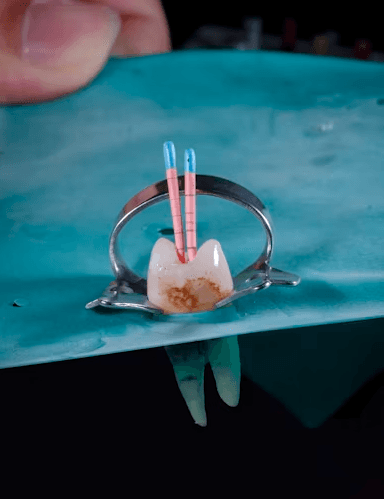
Root Canal Treatment (RCT)
Tooth pain can significantly affect your daily life, making it difficult to eat, speak, or even concentrate. One of the most effective treatments for severe tooth decay and infection is Root Canal Treatment (RCT). Despite its reputation, modern root canal treatment is a safe, effective, and virtually painless procedure that helps save natural teeth and restore oral health.
About this Treatment
Root Canal Treatment (RCT): Everything You Need to Know About Saving Your Natural Tooth
Introduction
Tooth pain can significantly affect your daily life, making it difficult to eat, speak, or even concentrate. One of the most effective treatments for severe tooth decay and infection is Root Canal Treatment (RCT). Despite its reputation, modern root canal treatment is a safe, effective, and virtually painless procedure that helps save natural teeth and restore oral health.
If your dentist has recommended a root canal, understanding the procedure can help reduce anxiety and prepare you for treatment. In this comprehensive guide, we will discuss what root canal treatment is, why it is needed, the procedure involved, benefits, recovery process, and frequently asked questions.
What Is Root Canal Treatment (RCT)?
Root Canal Treatment, commonly known as RCT, is a dental procedure used to treat infection or damage within the pulp of a tooth. The pulp is the soft tissue located inside the tooth that contains nerves, blood vessels, and connective tissues.
When the pulp becomes infected due to deep decay, cracks, trauma, or repeated dental procedures, bacteria can spread inside the tooth, causing pain and inflammation. Root canal treatment removes the infected pulp, cleans and disinfects the root canals, and seals the tooth to prevent further infection.
The primary goal of RCT is to save the natural tooth and eliminate pain while preventing the need for extraction.
Why Is Root Canal Treatment Necessary?
A root canal becomes necessary when the tooth pulp becomes inflamed or infected. If left untreated, the infection can spread to surrounding tissues and lead to serious dental complications.
Common causes that require root canal treatment include:
Deep Tooth Decay
Untreated cavities can penetrate through the enamel and dentin, reaching the pulp and causing infection.
Cracked or Chipped Teeth
A crack in the tooth can allow bacteria to enter the pulp chamber, leading to infection.
Dental Trauma
An injury to the tooth may damage the pulp even when there are no visible cracks.
Repeated Dental Procedures
Multiple treatments on the same tooth can irritate the pulp and increase the risk of infection.
Severe Gum Disease
Advanced periodontal disease can sometimes affect the roots and supporting structures of teeth.
Signs You May Need a Root Canal
Recognizing the symptoms early can help prevent further complications. Some common signs include:
- Persistent toothache
- Sensitivity to hot or cold foods and beverages
- Pain while chewing or biting
- Swollen or tender gums
- Tooth discoloration
- Pimple-like swelling on the gums
- Bad taste in the mouth due to infection
- Facial swelling in severe cases
It is important to consult a dentist if you experience any of these symptoms.
How Is Root Canal Treatment Performed?
Many patients fear root canal treatment because of outdated misconceptions. However, modern dental techniques and anesthesia make the procedure comfortable and highly successful.
Step 1: Diagnosis and Examination
The dentist performs a thorough examination, including dental X-rays, to determine the extent of the infection and assess the condition of the tooth.
Step 2: Local Anesthesia
The affected area is numbed using local anesthesia to ensure a painless procedure.
Step 3: Access Opening
A small opening is created in the crown of the tooth to access the infected pulp.
Step 4: Removal of Infected Pulp
Special dental instruments are used to remove the infected or damaged pulp tissue from the root canals.
Step 5: Cleaning and Disinfection
The canals are carefully cleaned, shaped, and disinfected to eliminate bacteria and prevent reinfection.
Step 6: Filling the Canals
The cleaned canals are filled with a biocompatible material called gutta-percha, which seals the canals and prevents bacterial contamination.
Step 7: Restoration
A temporary or permanent filling is placed. In most cases, a dental crown is recommended to strengthen and protect the treated tooth.
How Long Does Root Canal Treatment Take?
The duration of root canal treatment depends on the complexity of the case and the number of roots involved.
Generally:
- Single-rooted teeth may require one appointment.
- Molars with multiple canals may require two or more visits.
- Each appointment usually lasts between 45 and 90 minutes.
Advancements in modern dentistry have significantly reduced treatment time and improved patient comfort.
Benefits of Root Canal Treatment
Root canal treatment offers numerous advantages compared to tooth extraction.
Saves Your Natural Tooth
Preserving the natural tooth helps maintain proper chewing function and appearance.
Relieves Pain
RCT removes the infected pulp that causes severe tooth pain and discomfort.
Prevents Infection Spread
Treating the infection early prevents it from affecting adjacent teeth and surrounding tissues.
Restores Normal Function
After treatment and restoration, the tooth functions like any other healthy tooth.
Improves Oral Health
Removing infection contributes to better overall oral hygiene and health.
Cost-Effective in the Long Run
Saving a natural tooth often eliminates the need for more expensive replacement options such as implants or bridges.
Is Root Canal Treatment Painful?
One of the most common questions patients ask is whether root canal treatment hurts.
The answer is no. Modern root canal procedures are performed under local anesthesia and are generally no more uncomfortable than getting a dental filling.
Most patients report immediate relief from the pain caused by the infection after treatment. Mild soreness or sensitivity for a few days is normal and can usually be managed with over-the-counter pain medication.
Recovery After Root Canal Treatment
Recovery following root canal treatment is typically smooth and uncomplicated.
What to Expect
- Mild discomfort for a few days
- Temporary sensitivity around the treated tooth
- Slight tenderness while chewing
Recovery Tips
- Take prescribed medications as directed.
- Avoid chewing on the treated side until the final restoration is completed.
- Maintain good oral hygiene.
- Brush and floss regularly.
- Attend follow-up appointments with your dentist.
Most patients can return to normal activities immediately after treatment.
Root Canal Treatment vs Tooth Extraction
When faced with a severely infected tooth, patients often wonder whether they should choose a root canal or extraction.
Root Canal Treatment
Benefits:
- Preserves the natural tooth
- Maintains normal bite alignment
- Prevents neighboring teeth from shifting
- Provides long-term functionality
Tooth Extraction
Disadvantages:
- Creates a gap in the mouth
- May require replacement with an implant, bridge, or denture
- Can affect chewing and aesthetics
- Usually more expensive when replacement costs are included
In most cases, dentists recommend saving the natural tooth whenever possible.
How Successful Is Root Canal Treatment?
Root canal treatment has a very high success rate, often exceeding 90–95% when performed properly and followed by appropriate restoration.
A successfully treated tooth can last for many years or even a lifetime with proper care and regular dental checkups.
How to Care for a Tooth After Root Canal Treatment
Proper aftercare is essential to ensure long-term success.
Maintain Good Oral Hygiene
Brush twice daily and floss regularly to prevent future decay and gum disease.
Avoid Hard Foods
Avoid biting hard objects such as ice, pens, or hard candies that may damage the treated tooth.
Wear a Mouthguard if Necessary
Patients who grind their teeth should consider wearing a night guard.
Schedule Regular Dental Visits
Routine dental examinations help monitor the condition of the treated tooth and surrounding tissues.
Common Myths About Root Canal Treatment
Myth 1: Root Canals Are Extremely Painful
Modern root canal procedures are designed to relieve pain, not cause it.
Myth 2: Tooth Extraction Is Better
Saving a natural tooth is usually the preferred and healthier option.
Myth 3: Root Canal Treatment Causes Illness
There is no scientific evidence supporting the claim that root canal treatment causes systemic diseases.
Myth 4: A Treated Tooth Does Not Last Long
With proper restoration and oral care, a root canal-treated tooth can last for decades.
Frequently Asked Questions About Root Canal Treatment
Can I Eat After a Root Canal?
Yes, but it is advisable to wait until the anesthesia wears off and avoid hard foods until the tooth is fully restored.
Will I Need a Crown After RCT?
In most cases, especially for back teeth, a dental crown is recommended to provide strength and protection.
Can Root Canal Treatment Fail?
Although uncommon, reinfection can occur if the tooth is not properly restored or if new decay develops. Regular dental visits help detect and manage such issues.
Is Root Canal Treatment Safe?
Yes. Root canal treatment is a safe, well-established, and highly successful dental procedure performed worldwide.
Conclusion
Root Canal Treatment (RCT) is one of the most effective procedures in modern dentistry for saving infected or damaged teeth. By removing infection, relieving pain, and preserving the natural tooth, RCT helps patients maintain healthy smiles and avoid unnecessary tooth loss. Advances in dental technology have made root canal treatment safer, faster, and more comfortable than ever before.
If you are experiencing persistent tooth pain, sensitivity, swelling, or signs of infection, consult your dentist promptly. Early diagnosis and treatment can save your natural tooth and prevent more serious oral health complications. Remember, preserving your natural teeth is always the best investment in your long-term oral health and overall well-being.