
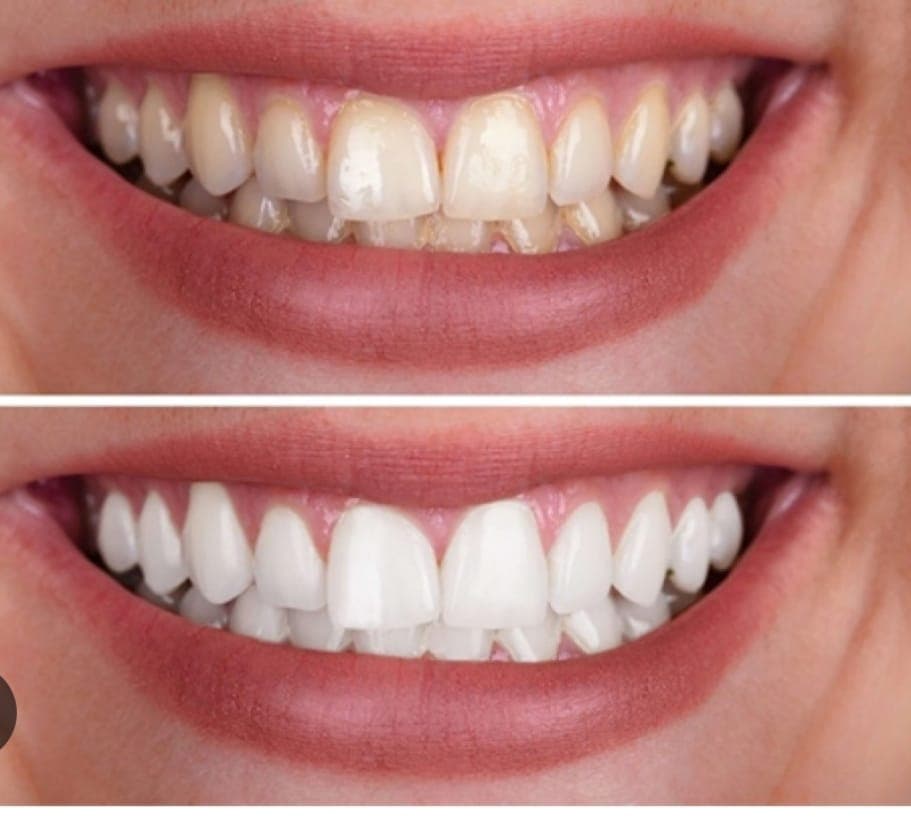
Teeth Bleaching
A bright, white smile is often associated with good health, confidence, and attractiveness. Over time, however, teeth can become stained or discolored due to various factors such as aging, dietary habits, smoking, and poor oral hygiene. Teeth bleaching, also known as tooth whitening, has become one of the most popular cosmetic dental procedures worldwide because it offers an effective way to improve the appearance of teeth and enhance a person's smile.
About this Treatment
Teeth Bleaching: A Comprehensive Guide to a Brighter Smile
Introduction
A bright, white smile is often associated with good health, confidence, and attractiveness. Over time, however, teeth can become stained or discolored due to various factors such as aging, dietary habits, smoking, and poor oral hygiene. Teeth bleaching, also known as tooth whitening, has become one of the most popular cosmetic dental procedures worldwide because it offers an effective way to improve the appearance of teeth and enhance a person's smile.
Teeth bleaching involves the use of chemical agents to lighten the color of teeth by removing stains and discoloration. It is a relatively simple and non-invasive procedure that can significantly improve dental aesthetics. This article explores the causes of tooth discoloration, the methods of teeth bleaching, its benefits, risks, and recommendations for maintaining whitening results.
Understanding Tooth Discoloration
Before discussing teeth bleaching, it is important to understand why teeth become discolored. Tooth discoloration can be categorized into two main types: extrinsic and intrinsic staining.
Extrinsic Stains
Extrinsic stains occur on the outer surface of the teeth, known as the enamel. These stains are usually caused by:
- Consumption of coffee, tea, red wine, and dark-colored beverages
- Smoking and tobacco use
- Poor oral hygiene
- Certain foods such as berries and sauces
- Accumulation of plaque and tartar
These stains are generally easier to remove through professional cleaning and bleaching treatments.
Intrinsic Stains
Intrinsic stains develop within the tooth structure and are often more difficult to treat. Causes include:
- Aging, which naturally causes enamel thinning
- Excessive fluoride exposure during childhood
- Certain medications such as tetracycline antibiotics
- Dental trauma or injury
- Genetic factors affecting tooth color
Intrinsic discoloration may require stronger bleaching treatments or alternative cosmetic procedures such as veneers.
What Is Teeth Bleaching?
Teeth bleaching is a cosmetic dental procedure designed to whiten teeth by using bleaching agents, primarily hydrogen peroxide or carbamide peroxide. These chemicals penetrate the enamel and break down stain molecules through an oxidation process, making teeth appear lighter and brighter.
Unlike ordinary tooth cleaning, bleaching changes the actual color of the teeth rather than simply removing surface debris. Depending on the concentration of the bleaching agent and the treatment method, teeth can become several shades whiter.
Types of Teeth Bleaching
There are several methods available for teeth bleaching, ranging from professional dental treatments to over-the-counter products.
Professional In-Office Bleaching
Professional bleaching performed by a dentist is considered the most effective whitening method.
Procedure
- The dentist examines the teeth and gums.
- Protective barriers are placed over the gums.
- A high-concentration bleaching gel is applied to the teeth.
- A special light or laser may be used to activate the gel.
- The procedure usually lasts between 30 and 90 minutes.
Advantages
- Fast and noticeable results
- Professional supervision
- Safer application
- Customized treatment
Disadvantages
- Higher cost compared to home treatments
- Temporary tooth sensitivity in some patients
At-Home Professional Whitening Kits
Dentists may provide customized whitening trays and bleaching gel for home use.
Procedure
- Custom-made trays are filled with bleaching gel.
- The trays are worn for a specified period each day.
- Treatment generally lasts one to three weeks.
Advantages
- More affordable than in-office bleaching
- Convenient and flexible
- Effective whitening results
Disadvantages
- Results take longer to appear
- Requires patient compliance
Over-the-Counter Whitening Products
Various whitening products are available without a prescription, including:
- Whitening toothpaste
- Whitening strips
- Whitening gels
- Whitening mouthwashes
Advantages
- Easily accessible
- Relatively inexpensive
- Convenient to use
Disadvantages
- Less effective than professional treatments
- Results may vary
- Greater risk of improper use
Bleaching Agents Used in Teeth Whitening
Hydrogen Peroxide
Hydrogen peroxide is the most commonly used bleaching agent in professional whitening treatments. It acts by releasing oxygen molecules that break down stain compounds within the tooth.
Carbamide Peroxide
Carbamide peroxide breaks down into hydrogen peroxide and urea. It is commonly found in home whitening kits because it releases the active bleaching ingredient more gradually.
The concentration of these agents determines the strength and speed of whitening. Professional treatments typically use higher concentrations than over-the-counter products.
Benefits of Teeth Bleaching
Teeth bleaching offers numerous cosmetic and psychological benefits.
Improved Appearance
The most obvious benefit is a brighter and more attractive smile. White teeth are often associated with youthfulness and good oral health.
Increased Self-Confidence
Many individuals report feeling more confident in social and professional settings after whitening their teeth. A brighter smile can positively influence self-esteem.
Non-Invasive Procedure
Unlike veneers or crowns, bleaching does not require significant alteration of the tooth structure. It is considered one of the least invasive cosmetic dental treatments.
Quick Results
Professional bleaching can produce visible improvements in a single appointment, making it an appealing option for individuals seeking immediate results.
Affordable Cosmetic Enhancement
Compared with other cosmetic dental procedures, teeth bleaching is relatively affordable and accessible.
Risks and Side Effects
Although teeth bleaching is generally safe when performed correctly, some side effects may occur.
Tooth Sensitivity
Temporary tooth sensitivity is the most common side effect. Patients may experience discomfort when consuming hot, cold, or sweet foods and beverages.
Gum Irritation
Improper application of bleaching agents can cause irritation or chemical burns to the gums and soft tissues.
Uneven Whitening
Teeth with fillings, crowns, or veneers may not whiten in the same way as natural teeth, leading to uneven coloration.
Enamel Damage
Excessive or improper use of bleaching products may contribute to enamel erosion and tooth damage over time.
Allergic Reactions
Although rare, some individuals may experience allergic reactions to ingredients in whitening products.
Who Is a Suitable Candidate for Teeth Bleaching?
Teeth bleaching is most effective for individuals with healthy teeth and gums who have mild to moderate staining.
Ideal candidates include:
- Adults with yellowish tooth discoloration
- Individuals with healthy enamel
- Non-smokers or those willing to reduce smoking
- People seeking cosmetic improvement
Bleaching may not be suitable for:
- Pregnant or breastfeeding women
- Children under a certain age
- Individuals with severe gum disease
- Patients with untreated cavities
- Those with extensive dental restorations
A dental consultation is recommended before beginning any whitening treatment.
How Long Do Whitening Results Last?
The longevity of bleaching results varies depending on lifestyle habits and oral hygiene practices. On average, whitening effects may last from several months to three years.
Factors influencing the duration include:
- Smoking habits
- Consumption of staining foods and drinks
- Oral hygiene practices
- Frequency of touch-up treatments
Regular dental cleanings and good oral care can help prolong results.
Maintaining Whiter Teeth
After bleaching, proper maintenance is essential to preserve the improved tooth color.
Practice Good Oral Hygiene
- Brush teeth twice daily
- Floss regularly
- Use fluoride toothpaste
- Visit the dentist regularly
Limit Staining Foods and Drinks
Reducing consumption of coffee, tea, red wine, and dark-colored foods can help maintain whitening results.
Quit Smoking
Tobacco use is a major cause of tooth discoloration. Avoiding smoking can significantly extend the effects of bleaching.
Use Whitening Maintenance Products
Dentists may recommend occasional touch-up treatments or whitening toothpaste to maintain brightness.
Drink Through a Straw
Using a straw for beverages that may stain teeth can reduce direct contact with enamel.
Natural Teeth Whitening Methods
Many people explore natural approaches to whitening teeth. Common methods include:
- Baking soda toothpaste
- Oil pulling
- Eating crunchy fruits and vegetables
- Maintaining excellent oral hygiene
While some natural methods may help remove surface stains, they generally do not provide the dramatic whitening achieved by professional bleaching treatments. Excessive use of abrasive substances can also damage enamel.
Future Developments in Teeth Bleaching
Advances in dental technology continue to improve whitening procedures. Researchers are developing:
- Faster-acting bleaching agents
- Reduced-sensitivity formulations
- Enhanced light-activated systems
- Longer-lasting whitening treatments
These innovations aim to improve patient comfort, safety, and treatment effectiveness.
Conclusion
Teeth bleaching has become one of the most widely used cosmetic dental procedures due to its ability to enhance the appearance of a smile quickly and effectively. By using bleaching agents such as hydrogen peroxide and carbamide peroxide, stains and discoloration can be significantly reduced, resulting in brighter and more attractive teeth.
Although teeth bleaching offers many benefits, including improved confidence and aesthetics, it should be performed responsibly under professional guidance to minimize potential risks such as sensitivity and gum irritation. Maintaining good oral hygiene, avoiding staining substances, and following dental recommendations can help preserve whitening results for an extended period.
As dental technology continues to evolve, teeth bleaching is expected to become even safer, more effective, and more accessible, allowing more people to enjoy the benefits of a healthy and radiant smile.