
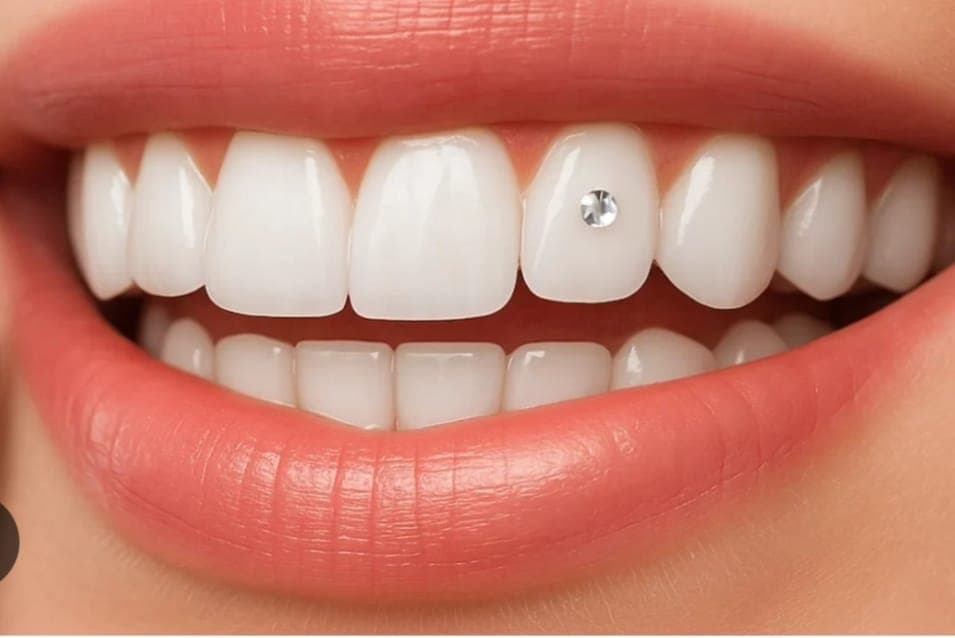
Tooth Diamond
A tooth diamond is a small decorative gemstone or crystal attached to the surface of a tooth to enhance a person's smile. It is a cosmetic dental accessory and does not require drilling into the tooth. A dentist usually bonds the jewel to the tooth using a special dental adhesive. Tooth diamonds come in different shapes, sizes, and colors, and they can be made from crystals, gold, or real diamonds. With proper care and good oral hygiene, a tooth diamond can last for several months or even years. It is important to have it applied and removed by a dental professional to avoid damaging the tooth.
About this Treatment
Tooth Diamond: A Stylish Trend in Modern Dentistry
Introduction
A tooth diamond is a small decorative jewel attached to the surface of a tooth to enhance a person's smile. It has become a popular fashion trend among people who want to express their individuality without undergoing permanent dental modifications. Tooth diamonds are commonly worn by celebrities, influencers, musicians, and fashion enthusiasts, but they are now increasingly popular among people of all ages. Unlike dental crowns or fillings, tooth diamonds are purely cosmetic and do not improve or affect the function of the teeth when applied correctly.
Modern cosmetic dentistry has made it possible to decorate teeth safely and comfortably. Tooth diamonds are available in different sizes, colors, shapes, and materials, allowing individuals to personalize their smiles according to their preferences. Since they are temporary and non-invasive, they offer a unique way to improve appearance without causing permanent changes to natural teeth.
What Is a Tooth Diamond?
A tooth diamond is a tiny gemstone or crystal bonded to the front surface of a tooth using a special dental adhesive. Despite the name, not all tooth diamonds are made from real diamonds. Many are manufactured from crystal, glass, cubic zirconia, or other sparkling materials designed to resemble genuine diamonds.
The jewel is usually attached to one of the upper front teeth because it is the most visible when smiling. Professional dentists or trained cosmetic dental specialists perform the procedure using safe dental bonding materials. The attachment does not require drilling, injections, or removal of tooth enamel in most cases.
Tooth diamonds are considered temporary accessories because they can be removed whenever the wearer decides they no longer want them.
History of Tooth Jewelry
Decorating teeth is not a completely new idea. Ancient civilizations such as the Maya decorated their teeth with precious stones by carefully embedding gemstones into the enamel. These decorations were considered symbols of beauty, wealth, and social status.
In recent decades, the practice has evolved into a safer cosmetic procedure. Modern tooth diamonds became popular in Europe during the 1990s before spreading worldwide. Today, they are widely available in dental clinics and cosmetic studios, making them accessible to a larger audience.
Types of Tooth Diamonds
There are several types of tooth jewelry available in the market. The choice depends on personal style, budget, and desired appearance.
1. Crystal Tooth Gems
Crystal gems are among the most affordable options. They provide a bright sparkle and are available in many colors such as clear, blue, pink, green, and purple.
2. Real Diamond Tooth Gems
These are genuine diamonds specially designed for cosmetic dental applications. They are more expensive but offer superior brilliance and durability.
3. Cubic Zirconia Gems
Cubic zirconia closely resembles real diamonds but costs much less. It is one of the most popular choices due to its attractive appearance and affordability.
4. Gold Tooth Jewelry
Some people choose small gold designs such as stars, hearts, butterflies, initials, or other decorative shapes instead of gemstones.
5. Custom Tooth Jewelry
Customized designs allow individuals to wear unique symbols, logos, or personalized shapes that reflect their personality.
The Procedure
The process of applying a tooth diamond is simple, painless, and usually completed within 15 to 30 minutes.
The procedure generally involves the following steps:
- The dentist cleans the tooth thoroughly.
- The tooth surface is dried and prepared with a special conditioning gel.
- A dental bonding adhesive is applied.
- The jewel is carefully positioned.
- A curing light hardens the adhesive.
- The dentist checks the placement and ensures the jewel is securely attached.
No anesthesia is required because there is no drilling or cutting of the tooth.
Advantages of Tooth Diamonds
Tooth diamonds offer several cosmetic and practical benefits.
Enhances Appearance
The primary purpose is to make the smile more attractive. The sparkling jewel catches light and creates an eye-catching effect.
Non-Invasive
Unlike veneers or crowns, tooth diamonds usually do not require removal of tooth enamel.
Reversible
The jewelry can be safely removed by a dental professional without permanently altering the tooth.
Quick Procedure
The application takes less than half an hour and requires no recovery time.
Affordable
Crystal tooth gems are relatively inexpensive compared to many other cosmetic dental treatments.
Personalized Style
Different colors, shapes, and materials allow people to create a unique smile that reflects their personality.
Disadvantages of Tooth Diamonds
Although tooth diamonds are generally safe, there are some disadvantages.
Requires Good Oral Hygiene
Food particles and plaque may accumulate around the jewelry if proper brushing and flossing are neglected.
Risk of Falling Off
The jewel may detach naturally after months or years, especially if exposed to excessive biting pressure.
Not Suitable for Everyone
People with poor oral health, gum disease, tooth decay, or weak enamel may not be good candidates.
Cost
Real diamonds and gold jewelry can be expensive.
Potential Irritation
Improper placement may irritate the lips or gums, although this is uncommon when performed professionally.
Oral Care with Tooth Diamonds
Proper oral hygiene is essential for maintaining both the jewel and natural teeth.
Recommended care includes:
- Brush twice daily using a soft toothbrush.
- Floss carefully around the decorated tooth.
- Use fluoride toothpaste.
- Avoid biting hard objects such as ice or pens.
- Visit the dentist regularly for examinations.
- Avoid using the tooth to open packages or bottles.
Maintaining good oral hygiene prevents plaque accumulation and keeps both the tooth and jewel attractive.
How Long Do Tooth Diamonds Last?
The lifespan depends on several factors, including the quality of the adhesive, eating habits, oral hygiene, and the individual's lifestyle.
Most professionally applied tooth diamonds last between six months and two years. Some remain attached even longer with proper care.
If the jewel falls off, it can often be replaced without damaging the tooth.
Removal Process
Removing a tooth diamond should always be performed by a dental professional.
The dentist uses specialized instruments to gently remove the jewel without damaging the enamel. Any remaining adhesive is polished away, restoring the tooth to its original appearance.
Attempting to remove the jewel at home may scratch or damage the enamel and should be avoided.
Are Tooth Diamonds Safe?
When applied by a qualified dentist using professional dental materials, tooth diamonds are generally considered safe.
Safety depends on several factors:
- Healthy teeth
- Professional application
- Good oral hygiene
- Regular dental checkups
Problems usually occur only when jewelry is applied incorrectly or when oral hygiene is poor.
Who Can Get a Tooth Diamond?
Most adults with healthy teeth are suitable candidates.
Ideal candidates include individuals who:
- Have healthy gums
- Have no untreated cavities
- Practice good oral hygiene
- Want a temporary cosmetic enhancement
People with braces, significant tooth damage, severe gum disease, or poor oral health may need dental treatment before considering tooth jewelry.
Popularity Among Celebrities
Tooth diamonds have gained worldwide attention because many celebrities and musicians have adopted the trend. Sparkling smiles have become common in music videos, fashion shows, social media, and entertainment events.
This popularity has inspired many young adults to seek cosmetic dental accessories as part of their personal style.
Cost of Tooth Diamonds
Prices vary depending on the material and location.
Approximate costs include:
- Crystal gems: relatively inexpensive.
- Cubic zirconia: moderately priced.
- Genuine diamonds: significantly more expensive.
- Gold jewelry: price depends on weight and design.
Professional application fees are usually included in the total cost.
Risks of DIY Tooth Gems
Some online stores sell do-it-yourself tooth gem kits. However, applying tooth jewelry at home is not recommended.
Possible risks include:
- Improper bonding
- Tooth damage
- Gum irritation
- Infection
- Swallowing the jewel
- Enamel damage from incorrect adhesives
Only dental professionals should perform the procedure using approved dental materials.
Future of Tooth Jewelry
As cosmetic dentistry continues to evolve, tooth jewelry is becoming more advanced. Manufacturers are developing smaller, lighter, and more durable gems with improved adhesives.
Future innovations may include customizable designs created using digital scanning and 3D printing technology. Patients may also have access to more environmentally friendly materials and longer-lasting bonding systems.
Conclusion
Tooth diamonds represent an exciting combination of fashion and cosmetic dentistry. They provide a simple, painless, and reversible way to add sparkle and individuality to a smile. With proper professional application and good oral hygiene, tooth diamonds are generally safe and can last for many months or even years.
Although they are purely decorative, tooth diamonds have become a symbol of modern self-expression and personal style. Whether made from crystal, cubic zirconia, gold, or genuine diamonds, they offer a unique cosmetic enhancement without permanently altering natural teeth. Anyone considering a tooth diamond should consult a qualified dental professional to ensure the procedure is performed safely and that their oral health is suitable for this fashionable dental accessory.